

As the full moon rises, the veil between worlds thins, allowing missives from a seer in my fantasy world to drift into our own. Inside is one ancient divination method, ornithomancy (bird divination), and its prophecy about what I’m writing now.
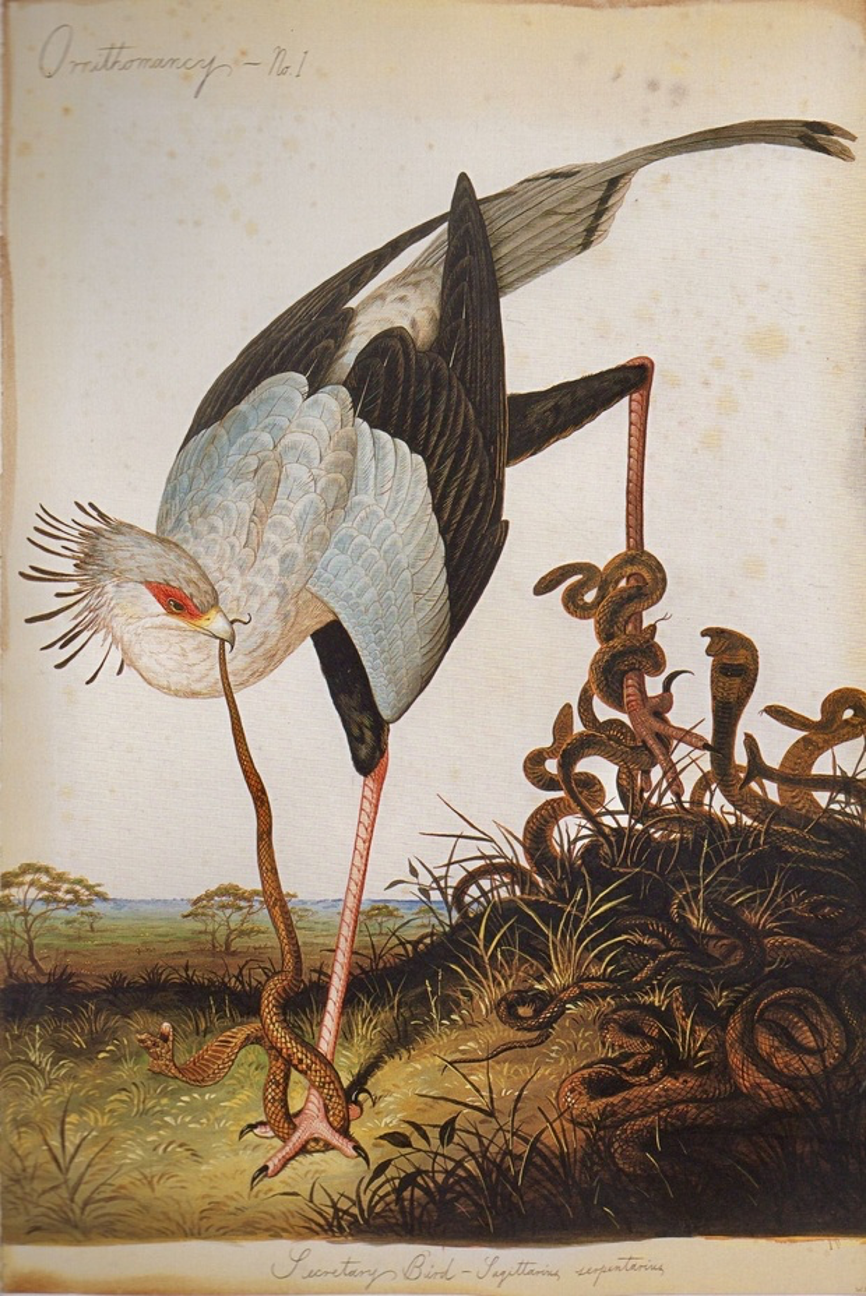
The celestial spaces overhead have long been viewed as the space of the gods. Therefore, the sights, sounds, and creatures of the heavens have long been sources of divine inspiration and signs of the gods pleasure or distaste with individuals, or entire armies.
Prophesying by birds has appeared across ancient history:
- Hittites in Anatolia: texts from the 13th or 14th century BCE
- Early Greek times: appearing on Archaic vases, as well as in Hesiod and Homer
- Romans had their own priestly Augurs supervise the practice
Orinthomancy is a divination method that involves taking directions, counsel, or omens from birds found in the wild, usually. Seers interpreted the flight paths, behaviors, numbers, and the kind of bird that appeared in a viewing effected the reading.
Birds in legend, fable and folklore
by Ingersoll, Ernest, 1852-1946
If a flock of various birds came flying about any man it was an excellent omen. The eagle was particularly observed for drawing omens; when it was observed to be brisk and lively, and especially if, during its sportiveness, it flew from the right hand to the left, it was one of the best omens that the gods could give.
Respecting vultures there are different opinions, both among the Greek and the Roman authors; by some they are represented as birds of lucky omen, while Aristotle and Pliny reckon them among the unlucky birds.
If the hawk was seen seizing and devouring her prey, it portended death; but if the prey escaped deliverance from danger was portended.
Swallows wherever and under whatever circumstances they were seen were unlucky birds...
In every part of Greece except Athens, owls were regarded as unlucky birds; but at Athens, being sacred to Minerva, they were looked upon as omens of victory and success. The swan, being an omen of fair weather, was deemed a lucky bird by mariners.
The most inauspicious omens were given by ravens, but the degree of misfortune which they were supposed to portend depended, in some measure, in their appearing on the right hand or the left; if they came croaking on the right hand it was a tolerably good omen; but if on the left a very bad one. . . . The crow appearing [at a wedding] denoted long life to the married pair, if it appeared with its mate ; but if it was seen single separation and sorrow were portended
This ancient method of divination still flutters in the blood of every storyteller who ever looked up at a passing wing and felt the future shift. The Mesopotamians, Hittites, Greeks, and Romans all agreed on one thing: the sky is never silent if you know how to listen.
Tonight, under this Moon, someone on the far side of the Veil has been writing.
The night wind shifts. A single black feather drifts across the face of the moon and lands, impossibly, on your windowsill—or perhaps on the edge of this very screen.
It is addressed in crimson ink that still smells faintly of frost and pine.
The wax seal bears the mark of Darkstall: a raven clutching a quill.
Break the seal below when you are ready to receive what the birds have already seen…
A missive from the Obsidian Scriptory in Darkstall
Warden of the World,
I am Colbert Arden, apprentice-scribe and novice augur to the Lady Lyraine who rules these starlit towers, write with a cheery disposition. Tonight, I practiced the old art of ornithomancy upon the roof, and the birds spoke to me.
Though the courts of Darkstall live by the turning of constellations, my Lady has commanded me to master every tongue the world speaks-wind, bone, feather, and flame-so that nothing may be hidden from her sight.
A murder of ravens, twenty-and-nine strong so as the number of a moon’s full turning, flew in from the north in a line so straight it might have been drawn by a quill. Straight flight over Darkstall is rare, especially into the darkness of the south. It means a plunge into trails, yet a road kept open or a labor that will not be scattered.
Last came a cardinal, bright as fresh-spilled blood against the snow. It landed on the balustrade beside me, cocked its crest, and spoke in the voice the birds borrow when they have certainty:
“The Warden will fill the scriptorium before the snows close the passes.
The blog shall rise like cordwood stacked against winter: post upon post, warm and ready for every hearth. The novel will stir in its iron-bound chest, turning only a few pages in dream. It will not demand the Warden’s full hunt, for its season is not this moon. When the moon next swells, the Warden will walk unburdened beneath it, and unearth the novel in earnest once more.”
Take this reading as truth, Warden. The birds have already seen you at the desk while the coffee steams and the schedule turns green with completed work. They have seen the relief in your shoulders when the last post is queued and the calendar lies open like fresh snow awaiting only your tracks.
The murder guards your focus. The cardinal lends its fire. Write now. The sky has declared the outcome, and even the stars of Darkstall bend to acknowledge it.
Your servant across the Veil,
Colbert Arden
Apprentice to Lady Lyraine
Obsidian Scriptory, Darkstall
The last line of the letter dissolves into crow-wing shadows.
For a moment the air in your room feels thinner, as though the moon herself leaned in to listen.
Whatever Colbert saw is no longer prophecy—it is momentum.
Share a missive from your world. What are the birds carrying for you?
Sources
 Contributors to Wikimedia projects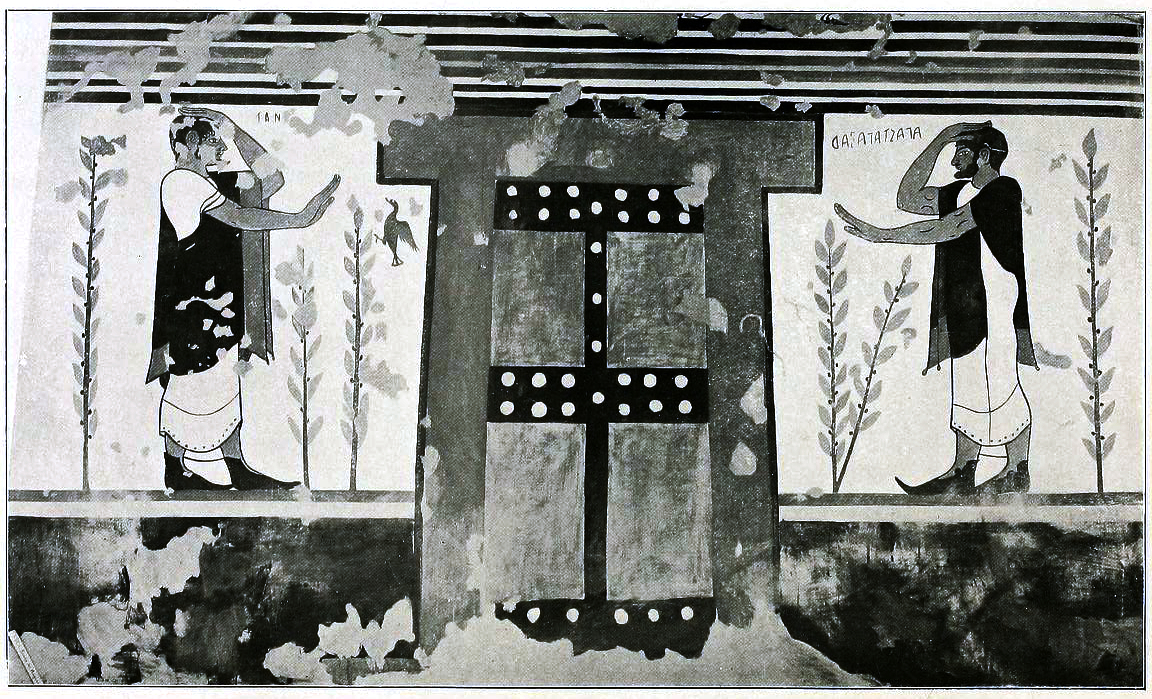
 Ingersoll, Ernest, 1852-1946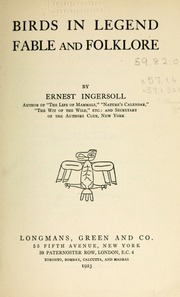
 Contributors to Wikimedia projects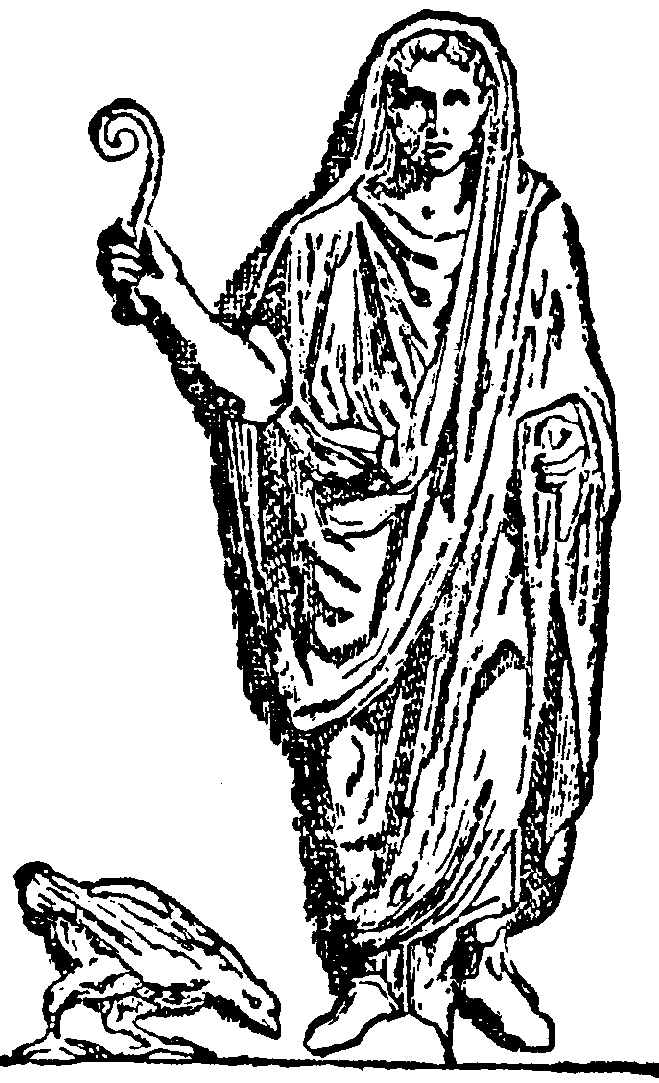


Discussion